Not sure whether your skin is oily, dry, combination or normal? Answer seven quick questions and I will tell you your type, what that means for your routine, and where to start. It takes about a minute, nothing you answer is sent or saved, and it works best on a regular day, not right after a new product or a facial.
your result
Your skin type is oily
Your skin makes plenty of oil across the whole face, so you shine by midday and pores are easy to see. The goal is to control shine without stripping, because stripped oily skin often gets oilier. I would use a gentle gel cleanser, a light oil-free moisturizer, and a fluid sunscreen. Niacinamide is a good first active for shine and pores.
Your skin also reacts easily. Choose fragrance-free products, patch test anything new on your jaw for a few days, and introduce one product at a time.
You also get regular breakouts. A retinoid is usually the most effective next step; retinol vs adapalene explains which one, and what differs between the US and the UK.
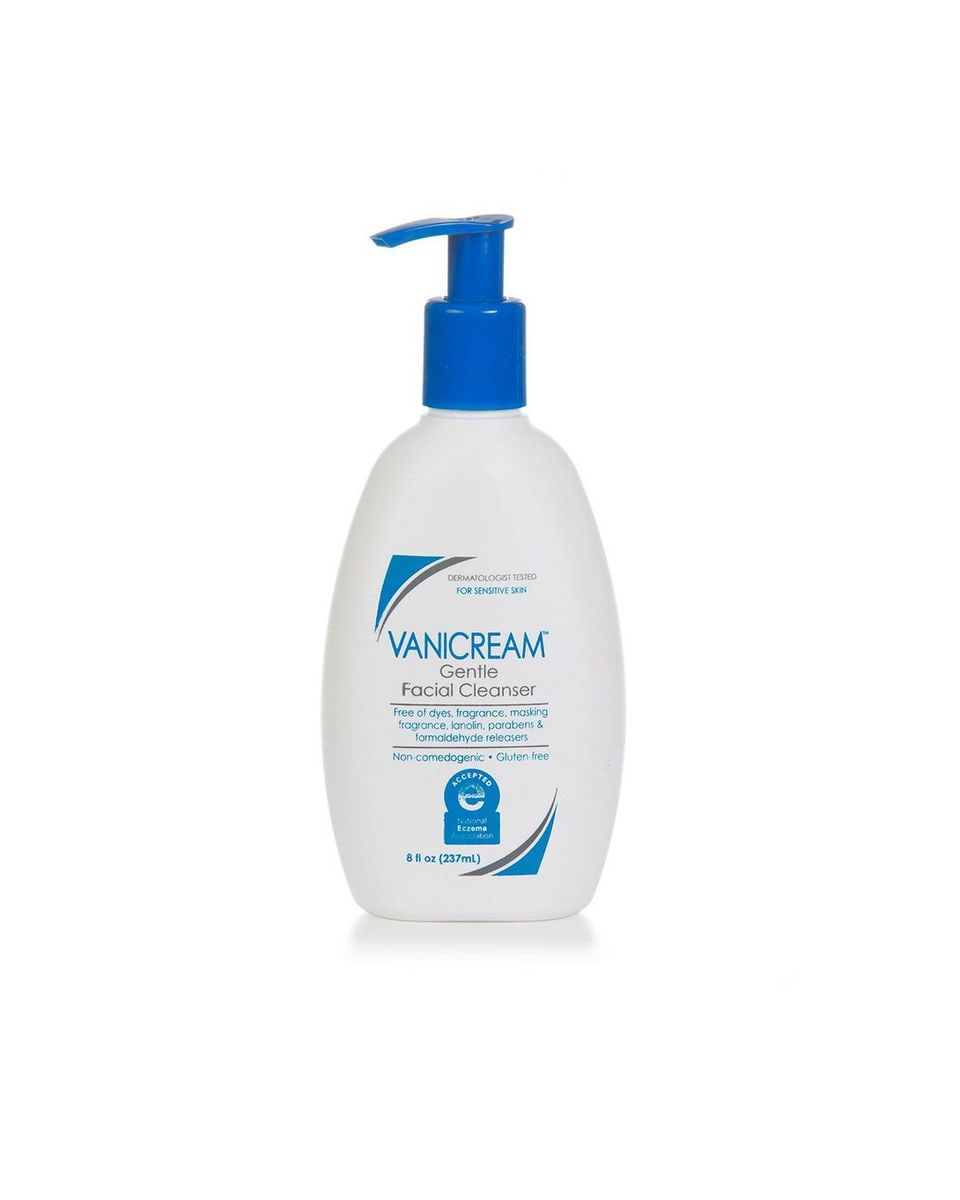 Glycerin · Coco-glucoside · frag-free · alc-free
Vanicream
Gentle Facial Cleanser
Glycerin · Coco-glucoside · frag-free · alc-free
Vanicream
Gentle Facial Cleanser
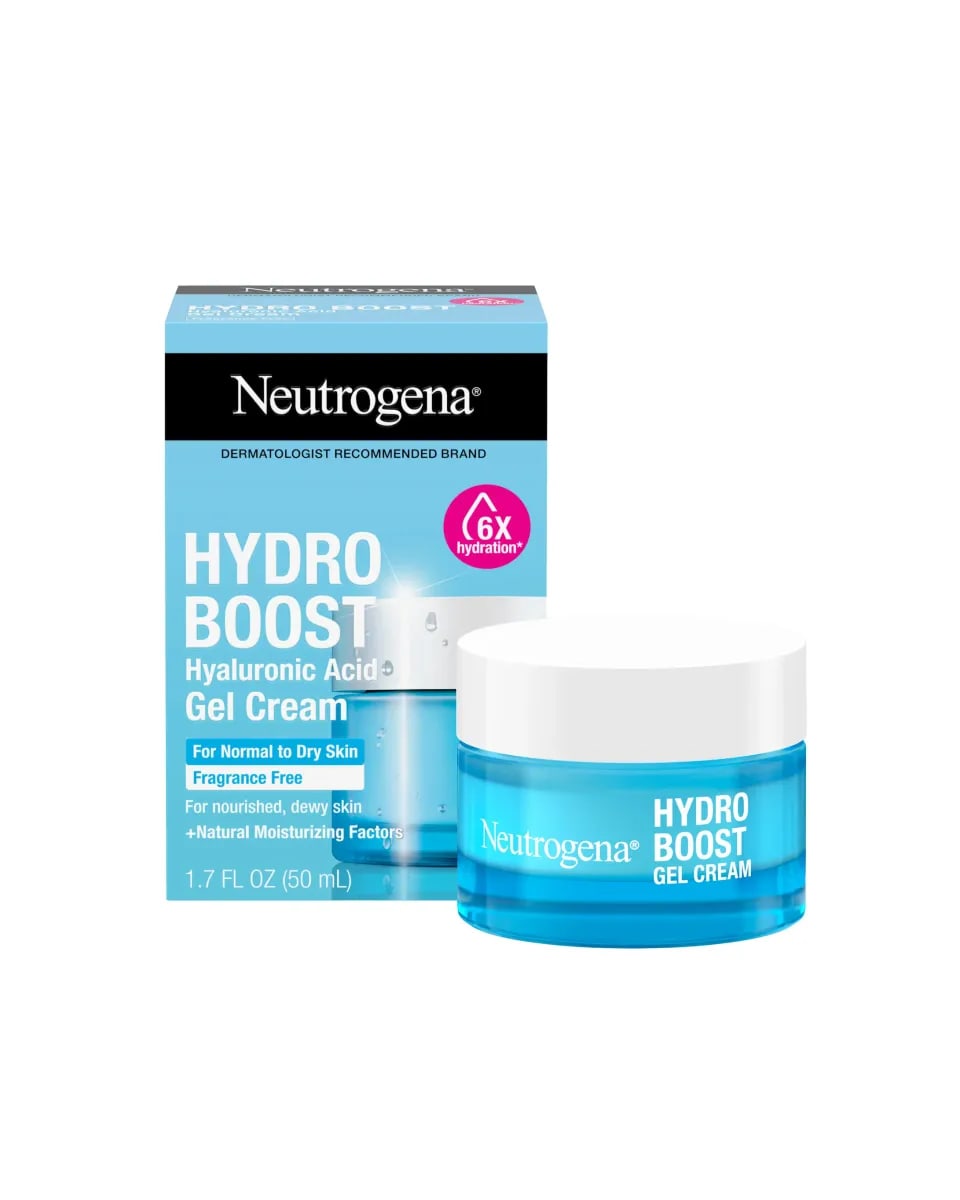 Hyaluronic acid · Glycerin · frag-free
Neutrogena
Hydro Boost Water Gel (Fragrance-Free)
Hyaluronic acid · Glycerin · frag-free
Neutrogena
Hydro Boost Water Gel (Fragrance-Free)
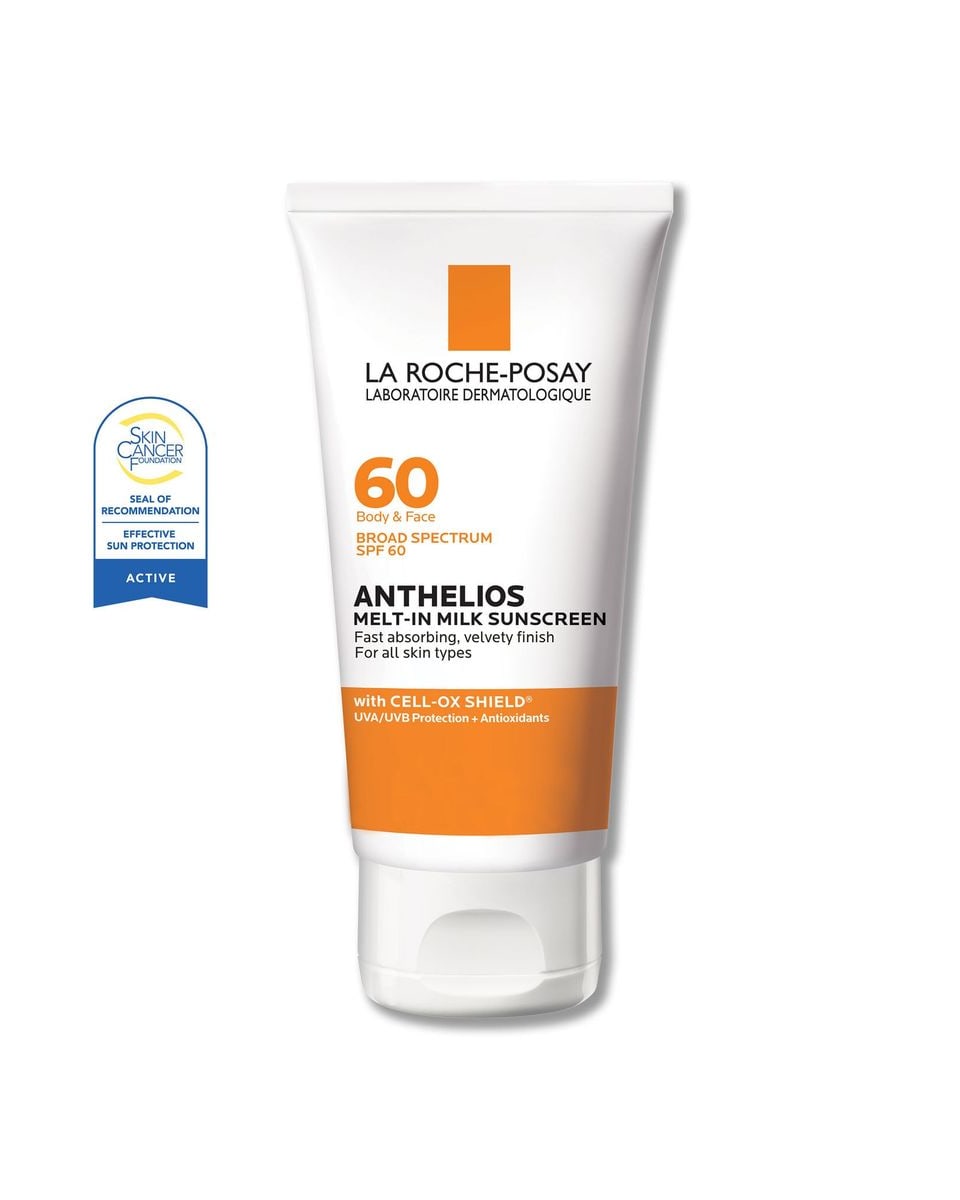 Avobenzone · Homosalate · Octisalate · frag-free · alc-free
La Roche-Posay
Anthelios Melt-In Milk Sunscreen SPF 60
Avobenzone · Homosalate · Octisalate · frag-free · alc-free
La Roche-Posay
Anthelios Melt-In Milk Sunscreen SPF 60
A routine for oily skin Niacinamide vs retinol Your routine, in order
Ask me about your skinyour result
Your skin type is combination
Your T-zone (forehead, nose and chin) is oilier than your cheeks, which are normal or even dry. That is the most common pattern there is. Use a gentle cleanser, a lightweight moisturizer everywhere (with a richer one on dry cheeks if they need it), and a sunscreen that does not feel greasy. Treat the zones differently when you need to.
Your skin also reacts easily. Choose fragrance-free products, patch test anything new on your jaw for a few days, and introduce one product at a time.
You also get regular breakouts. A retinoid is usually the most effective next step; retinol vs adapalene explains which one, and what differs between the US and the UK.
Glycerin · Coco-glucoside · frag-free · alc-free
Vanicream
Gentle Facial Cleanser
Hyaluronic acid · Glycerin · frag-free
Neutrogena
Hydro Boost Water Gel (Fragrance-Free)
Avobenzone · Homosalate · Octisalate · frag-free · alc-free
La Roche-Posay
Anthelios Melt-In Milk Sunscreen SPF 60
Your routine, in order Dry or just dehydrated?
Ask me about your skinyour result
Your skin type is dry
Your skin makes less oil than it needs, so it feels tight, looks dull and flakes, especially in cold weather. The goal is to replace oils and stop water escaping: a creamy, non-foaming cleanser, a rich moisturizer with ceramides applied to damp skin, and a moisturizing sunscreen. Short, lukewarm showers help more than you would think.
Your skin also reacts easily. Choose fragrance-free products, patch test anything new on your jaw for a few days, and introduce one product at a time.
You also get regular breakouts. A retinoid is usually the most effective next step; retinol vs adapalene explains which one, and what differs between the US and the UK.
 Ceramides NP/AP/EOP · Hyaluronic acid · Glycerin · pH 5.5 · frag-free · alc-free
CeraVe
Hydrating Facial Cleanser
Ceramides NP/AP/EOP · Hyaluronic acid · Glycerin · pH 5.5 · frag-free · alc-free
CeraVe
Hydrating Facial Cleanser
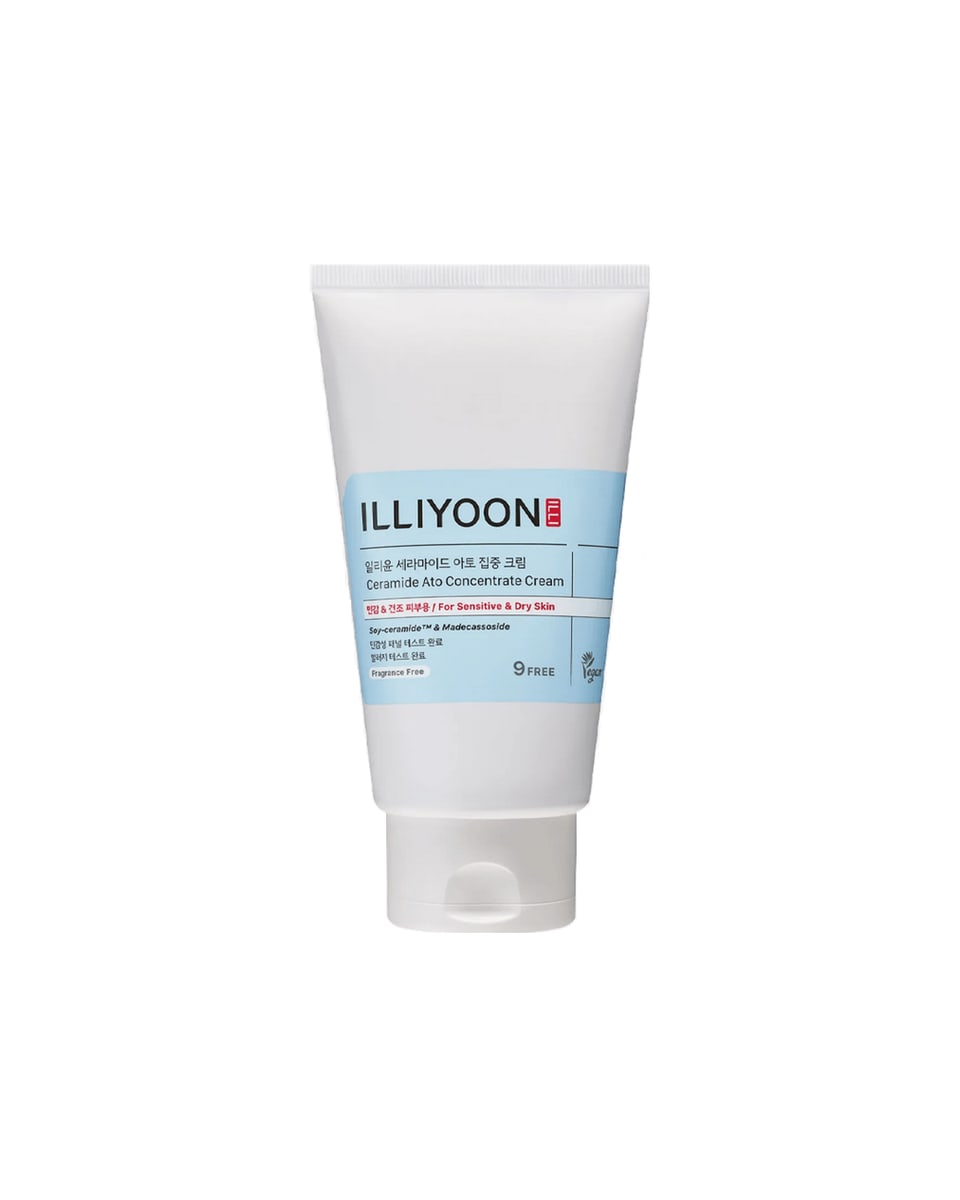 Ceramide complex · Panthenol · frag-free · alc-free
Illiyoon
Ceramide Ato Concentrate Cream
Avobenzone · Homosalate · Octisalate · frag-free · alc-free
La Roche-Posay
Anthelios Melt-In Milk Sunscreen SPF 60
Ceramide complex · Panthenol · frag-free · alc-free
Illiyoon
Ceramide Ato Concentrate Cream
Avobenzone · Homosalate · Octisalate · frag-free · alc-free
La Roche-Posay
Anthelios Melt-In Milk Sunscreen SPF 60
Dry or just dehydrated? Your routine, in order
Ask me about your skinyour result
Your skin type is normal
Your skin is balanced: not tight, not greasy, few flaky patches. Lucky you. Keep the routine simple (gentle cleanser, a moisturizer you like, sunscreen every morning) and add one targeted product only for something specific that bothers you, like dark marks or texture.
Your skin also reacts easily. Choose fragrance-free products, patch test anything new on your jaw for a few days, and introduce one product at a time.
You also get regular breakouts. A retinoid is usually the most effective next step; retinol vs adapalene explains which one, and what differs between the US and the UK.
Glycerin · Coco-glucoside · frag-free · alc-free
Vanicream
Gentle Facial Cleanser
Ceramide complex · Panthenol · frag-free · alc-free
Illiyoon
Ceramide Ato Concentrate Cream
Avobenzone · Homosalate · Octisalate · frag-free · alc-free
La Roche-Posay
Anthelios Melt-In Milk Sunscreen SPF 60
Your routine, in order How to fade dark spots
Ask me about your skinHow to find your skin type at home
The quiz is built on the same idea dermatologists and facialists use at home: look at how your skin behaves when nothing is on it. You can check the result with this bare-face test.
- Wash your face with a gentle, non-foaming cleanser and pat it dry.
- Apply nothing at all: no serum, moisturizer or sunscreen.
- Wait about an hour, doing something normal indoors.
- Look in daylight, or press a clean tissue or blotting paper to your forehead, nose, chin and cheeks.
Oil on the tissue from every area means oily skin. Oil from the forehead, nose and chin only means combination. No oil and a tight, rough feel means dry. Comfortable with very little oil means normal. If washing always leaves you tight but you are shiny again by afternoon, your skin may be oily but dehydrated, which I explain in dehydrated skin vs dry skin.
The four skin types, briefly
- Oily: shine across the whole face, visible pores, makeup slides off by midday. Needs gentle cleansing and light, oil-free hydration, not harsh stripping.
- Combination: an oilier T-zone with normal or dry cheeks. Needs a light moisturizer, sometimes a richer one on the dry areas.
- Dry: tight, rough, sometimes flaky, rarely shiny. Needs a creamy cleanser and a rich moisturizer with ceramides on damp skin.
- Normal: balanced, comfortable, few flaky patches. Needs a simple routine and daily sunscreen.
Whatever your type, the order you apply things in matters. The full sequence is in skincare routine order, morning and night, and there is more in the routines hub.
Sensitive and breakout-prone are not skin types
They are traits that can sit on top of any type. Oily skin can be sensitive; dry skin can break out. That is why the quiz asks about them separately and adds a note to your result. If your skin stings or goes red with most products, choose fragrance-free formulas and introduce one product at a time. If redness is constant, or your skin is itchy, cracked or painful, see a GP or dermatologist rather than switching products again.
Skin type vs Fitzpatrick skin type
If you searched for a skin type quiz for tanning, you are looking for something different. The Fitzpatrick scale sorts skin into types I to VI by how it reacts to the sun, from always burning and never tanning to rarely burning. DermNet explains the scale in detail. It describes sun sensitivity and burn risk, not oiliness, so it is a separate question from this quiz. Every Fitzpatrick type still benefits from daily sunscreen, applied in the right amount, which I cover in how much sunscreen to use on your face.
Questions people ask
Can your skin type change?
Yes. Hormones, age, climate and the season all shift it. Many people are oilier in their teens and twenties and drier later, and most skin is drier in winter. Retake the quiz when the seasons change or your skin starts behaving differently.
How accurate is an online skin type quiz?
It gives a good starting point, not a diagnosis. The bare-face test above is a useful double check, and a dermatologist can assess anything that does not fit a simple pattern.
Can you find your skin type without washing your face?
Roughly. Notice how your face looks and feels by midday on a day with no makeup and a light moisturizer. The quiz questions are written so you can answer them from memory.
This quiz is general guidance, not medical advice. For a skin condition, please see a dermatologist or GP.