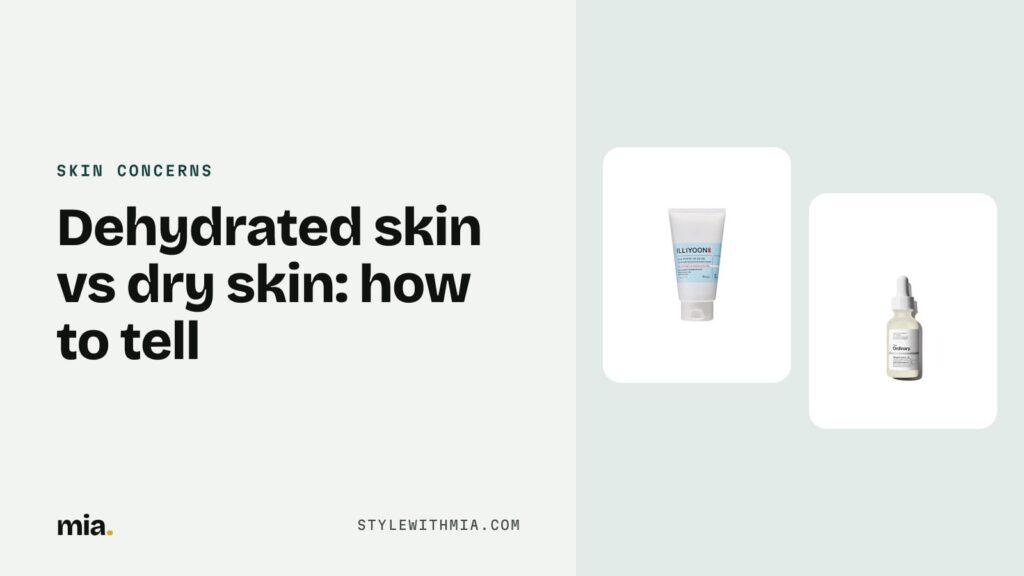
Dry skin is short on oil. Dehydrated skin is short on water. The first is a skin type you mostly live with; the second is a temporary state that anyone can slip into, including people with oily skin. They feel similar, which is why so many people treat the wrong one, so here is how I would tell them apart and what to do about each.
The short answer: if your skin is rough, flaky and tight all day, every season, it is dry, and it needs richer creams that replace oils. If it feels tight after washing but shiny by the afternoon, or looks crinkly and dull, it is dehydrated, and it needs water-binding ingredients plus gentler habits. Plenty of people need a bit of both.
The quick self-check
| Sign | Dry skin | Dehydrated skin |
|---|---|---|
| How it feels | Tight and rough most of the day | Tight after cleansing, sometimes oily later |
| How it looks | Flaky patches, especially around the nose and brows | Dull, with fine crinkly lines that plump up after moisturizer |
| Pores and shine | Small pores, little shine | Can have visible pores and shine |
| How long it lasts | Long term, often worse in winter | Comes and goes with weather, heating, harsh products |
| Makeup | Clings to flakes | Looks patchy or sinks into fine lines |
A rough home check: with clean fingers, gently push the skin of your cheek upwards. If it forms lots of fine, criss-cross lines instead of a few soft folds, it is likely short on water. It is not a diagnosis, just a nudge in the right direction.
For a quicker answer, the skin type quiz asks seven questions and suggests where to start.
What dehydrates skin
Dehydration is usually caused by what happens to skin rather than by the skin itself: harsh foaming cleansers, long hot showers, over-exfoliating, central heating and air conditioning, cold wind, and the first weeks of a retinoid (more on that in retinol vs adapalene). Oily skin gets dehydrated often, because people with oily skin tend to strip it and then skip moisturizer. If those habits go on long enough to damage the skin barrier, even a plain moisturizer starts to sting; how to fix a damaged skin barrier has a two-week reset for that.
What helps dry skin
Dry skin needs its missing oils replaced and the water it does have kept in. The American Academy of Dermatology’s tips for dry skin come down to a few habits that make a real difference:
- Keep showers and face washing short and lukewarm, not hot.
- Use a gentle, non-foaming cleanser.
- Moisturize straight after washing, while skin is still slightly damp, to lock the water in.
- Choose creams or ointments over thin lotions; they are more effective and usually less irritating.
- Pick fragrance-free products, and run a humidifier if your home air is dry.
Look for moisturizers with ceramides, glycerin, shea butter or petrolatum. They rebuild the barrier and slow water loss.
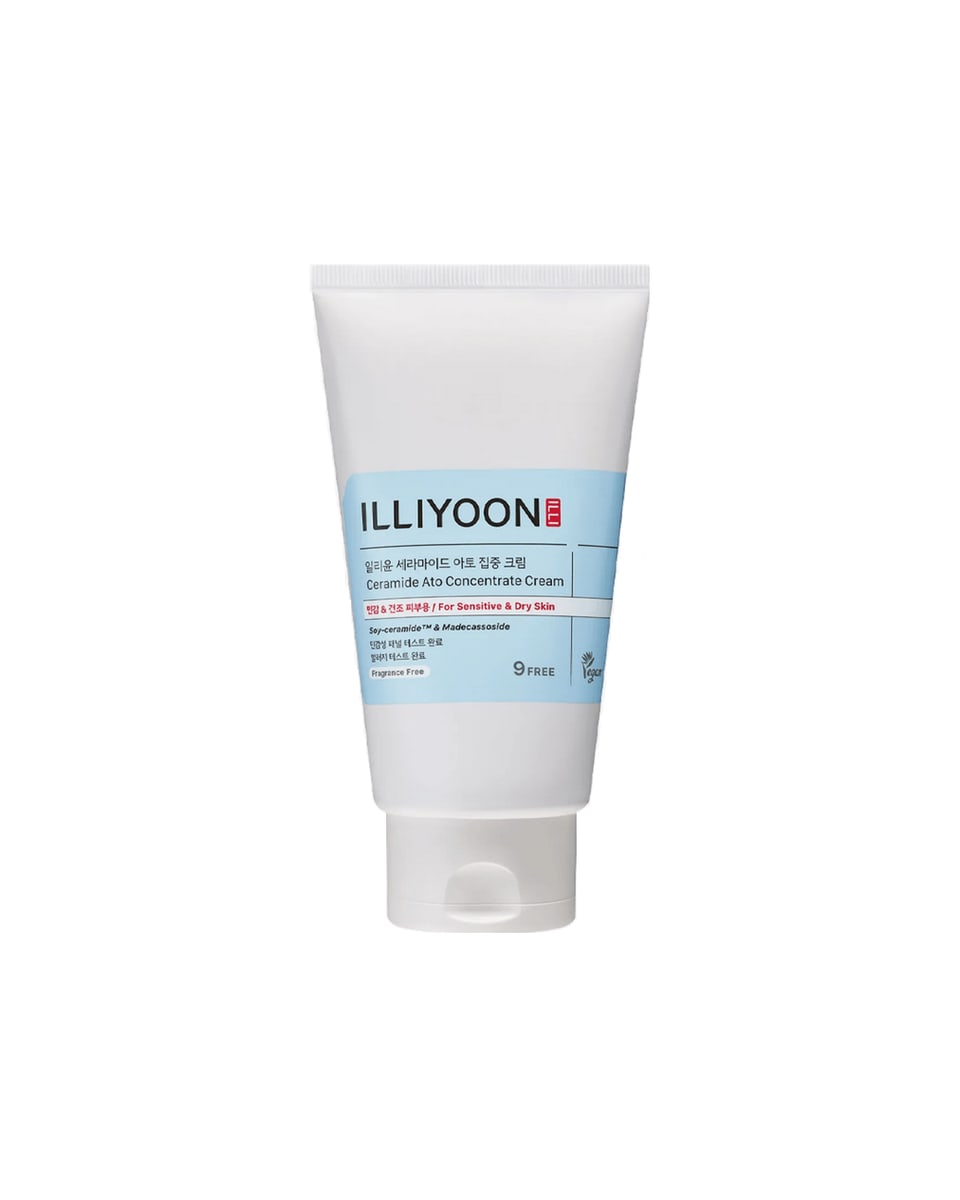 Ceramide complex · Panthenol · frag-free · alc-free
Illiyoon
Ceramide Ato Concentrate Cream
Ceramide complex · Panthenol · frag-free · alc-free
Illiyoon
Ceramide Ato Concentrate Cream
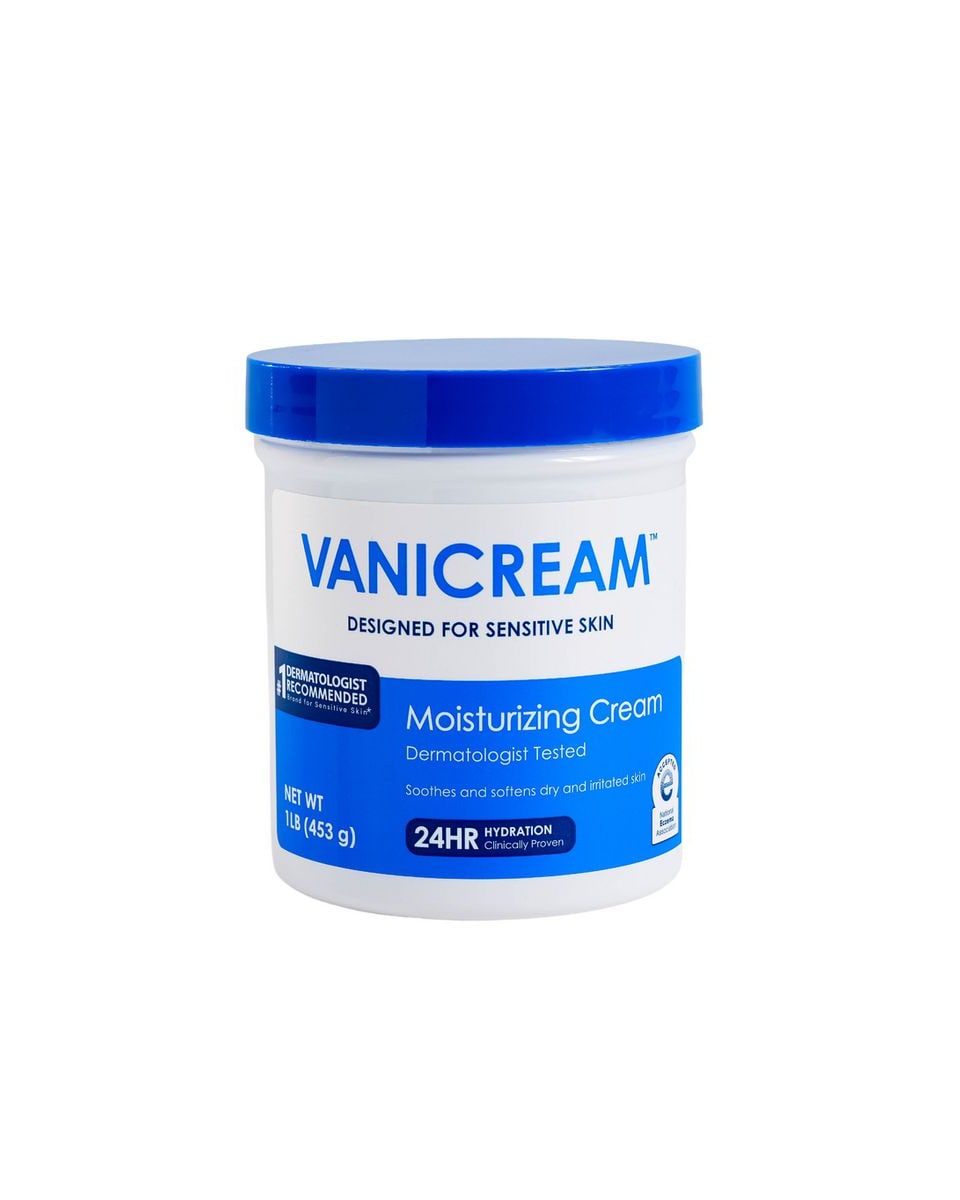 Glycerin · Petrolatum · frag-free · alc-free
Vanicream
Moisturizing Cream
Glycerin · Petrolatum · frag-free · alc-free
Vanicream
Moisturizing Cream
 Ceramides NP/AP/EOP · Hyaluronic acid · Glycerin · pH 5.5 · frag-free · alc-free
CeraVe
Hydrating Facial Cleanser
Ceramides NP/AP/EOP · Hyaluronic acid · Glycerin · pH 5.5 · frag-free · alc-free
CeraVe
Hydrating Facial Cleanser
What helps dehydrated skin
Dehydrated skin needs water drawn in and held there, and it needs whatever is stripping it to stop.
- Gentler cleansing. Swap a squeaky foaming cleanser for a low-foam or cream one, and cleanse once a day if your skin is not oily.
- Humectants on damp skin. Hyaluronic acid and glycerin pull water into the skin. Apply them to slightly damp skin, not bone dry.
- Seal it in. Always follow a hydrating serum with a moisturizer; on its own, a humectant can leave skin feeling tighter in very dry air.
- Ease off actives. Pause exfoliating acids for a week or two, and use retinoids less often until the tightness settles.
Oily but dehydrated skin does best with light gel textures that hydrate without heaviness. The order to layer everything in is in skincare routine order, morning and night, and there are more hydrating options on the hydration shelf.
 Hyaluronic acid 2% · Panthenol (B5) · frag-free · alc-free
The Ordinary
Hyaluronic Acid 2% + B5
Hyaluronic acid 2% · Panthenol (B5) · frag-free · alc-free
The Ordinary
Hyaluronic Acid 2% + B5
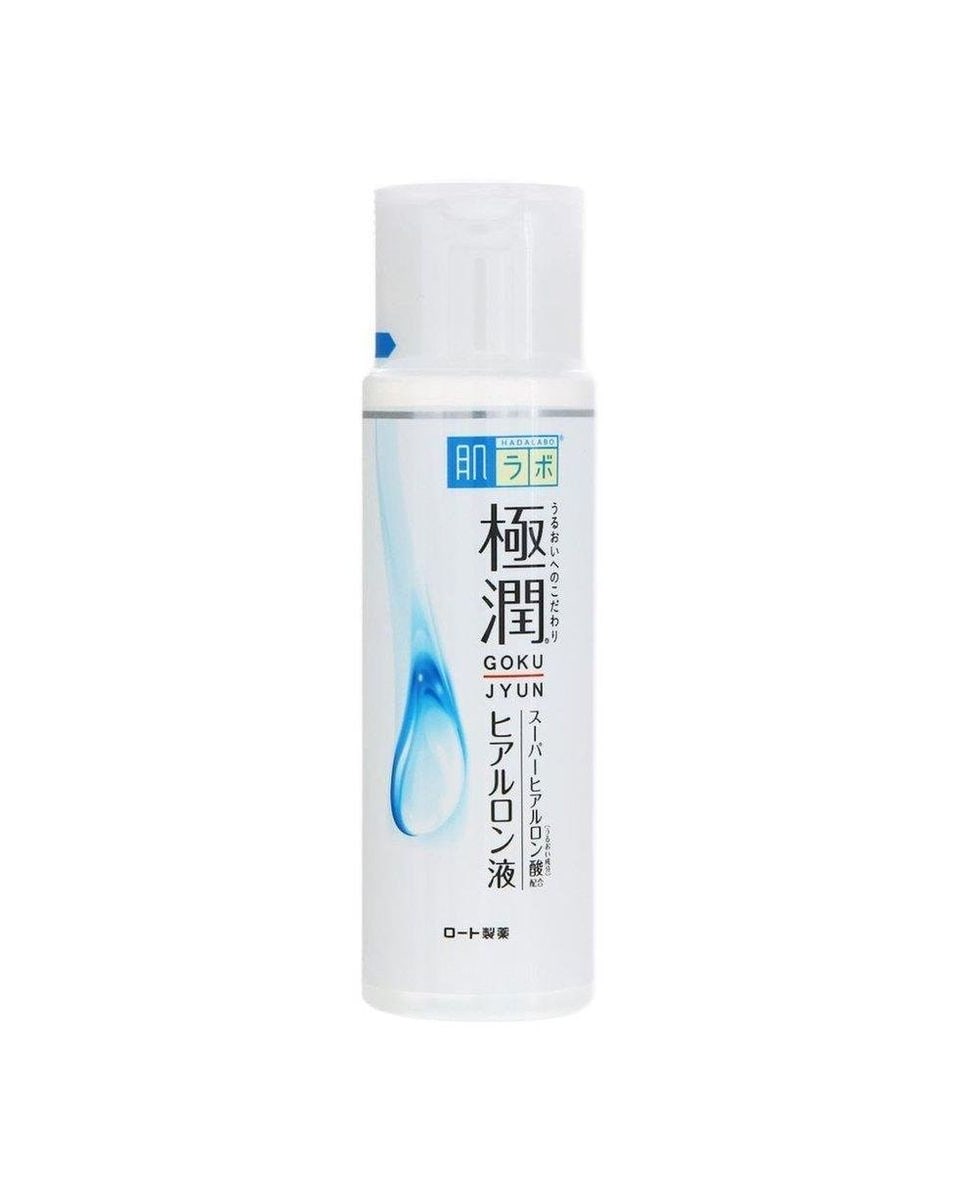 Multi-weight hyaluronic acid · frag-free · alc-free
Hada Labo
Gokujyun Hyaluronic Acid Lotion
Multi-weight hyaluronic acid · frag-free · alc-free
Hada Labo
Gokujyun Hyaluronic Acid Lotion
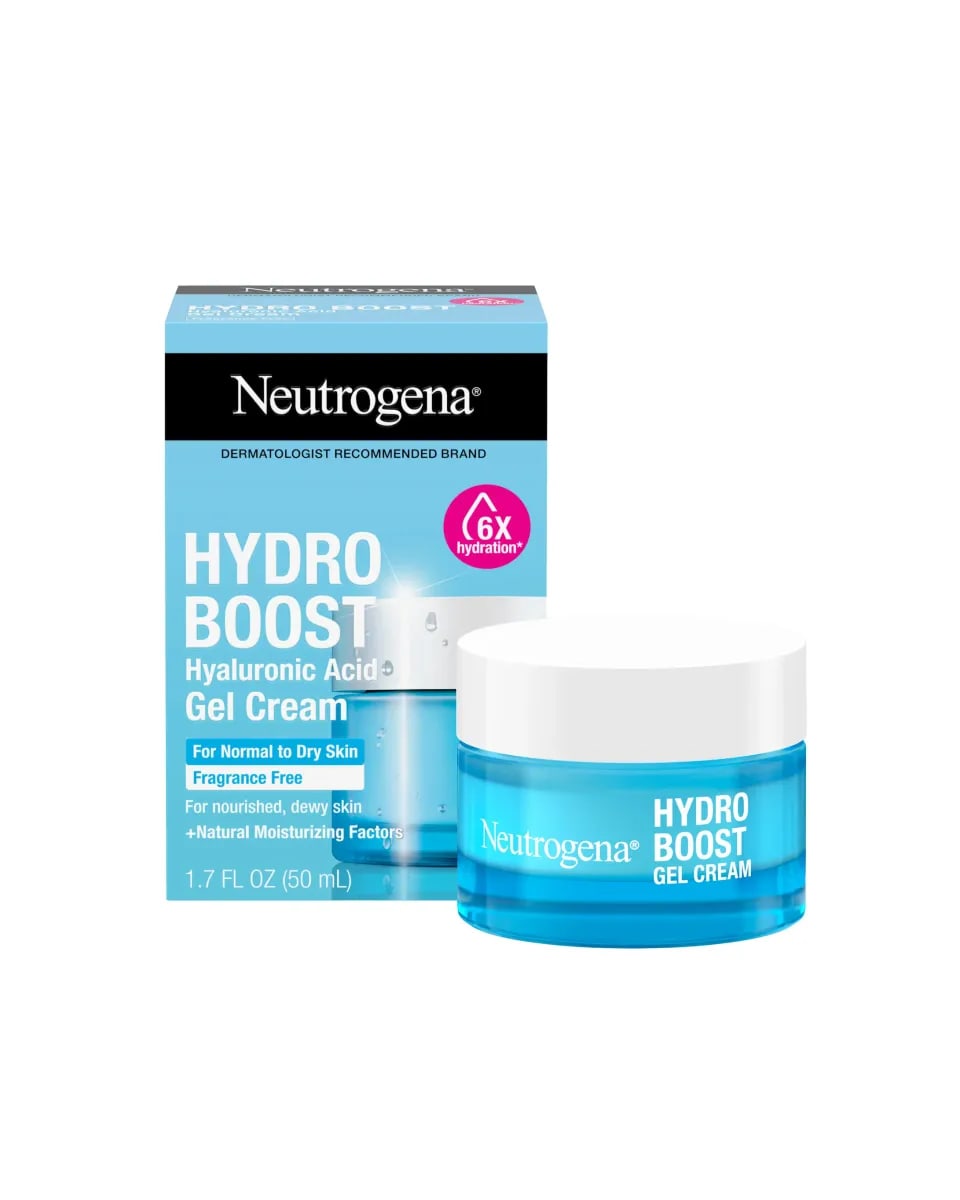 Hyaluronic acid · Glycerin · frag-free
Neutrogena
Hydro Boost Water Gel (Fragrance-Free)
Hyaluronic acid · Glycerin · frag-free
Neutrogena
Hydro Boost Water Gel (Fragrance-Free)
A simple routine for each
For dry skin: in the morning, rinse with water or use a cream cleanser, apply a rich moisturizer, then sunscreen. At night, cleanse gently, press on a hydrating serum while your skin is damp, then a thicker ceramide cream. A thin layer of balm on the driest patches overnight helps too.
For dehydrated skin: in the morning, use a gentle cleanser, a hyaluronic acid serum on damp skin, a light moisturizer, then sunscreen. At night, cleanse once, repeat the serum and moisturizer, and keep strong actives to two or three nights a week until your skin feels comfortable again. Most people notice a difference within a week or two, because dehydration responds much faster than dry skin does.
When it is something else
Very dry, itchy, red or cracked skin can be eczema, and persistent redness with stinging can be rosacea or a reaction to a product. See a GP, pharmacist or dermatologist if your skin is itchy, painful, cracked or bleeding, or if it does not improve after two weeks of gentle care. More guides like this are in the skin concerns hub.
Questions people ask
Can oily skin be dehydrated?
Yes, and it is common. Oil and water are different things: skin can produce plenty of oil while still being short on water, especially if it is being over-cleansed. Gentle cleansing and a light, hydrating moisturizer usually help both the tightness and the shine.
Does drinking more water fix dehydrated skin?
Staying hydrated matters for your health, but there is little evidence that drinking extra water on its own changes how hydrated your skin looks. Skincare habits and the air around you make a bigger, faster difference.
Is hyaluronic acid good for dry skin?
It helps, but it is not enough by itself. Hyaluronic acid adds water; dry skin also needs oils and a barrier-repairing cream on top to keep that water in.
Which moisturizer is best for dehydrated skin?
One with humectants such as glycerin or hyaluronic acid, in a texture that suits your skin: a gel for oily skin, a lotion or cream for normal to dry skin.