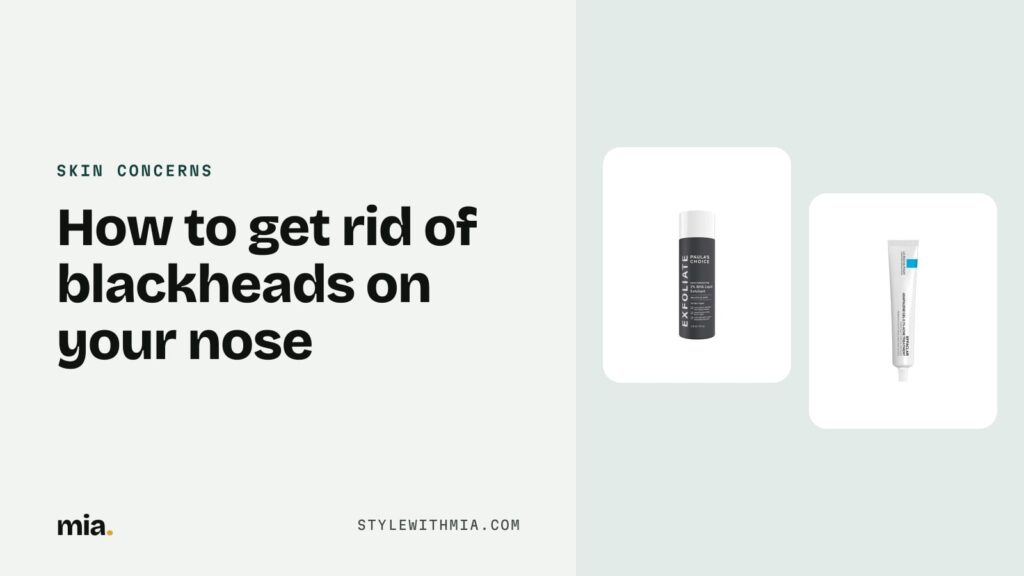
To get rid of blackheads on your nose, use a salicylic acid (BHA) product a few nights a week, add an over-the-counter retinoid such as adapalene if they are stubborn, and give it six to eight weeks before you judge it. Before any of that, check that they are blackheads at all: many of the gray dots on a nose are sebaceous filaments, a normal part of skin that no product, strip or facial removes for good. Most of the pages at the top of the search results skip that question and go straight to quick fixes, so I will start there, then lay out the routine dermatologists point to and what to stop doing.
The short answer: true blackheads are plugs of oil and dead skin cells that darken at the surface, and they do clear with steady care: a 2% salicylic acid product two or three nights a week, adapalene 0.1% on other nights once your skin is used to the acid, a light moisturizer and sunscreen every morning. Stop squeezing, scrubbing and pore strips, which buy a clean-looking nose for a day and an irritated one after. If the dots are tiny, flat, grayish and spread evenly across your nose, they are probably sebaceous filaments: the same routine makes them less noticeable, but they always come back, and that is normal.
Blackheads or sebaceous filaments? Check first
Cleveland Clinic describes sebaceous filaments as thin, threadlike structures that line your oil glands and carry oil up to the surface. Everyone has them, and the nose shows them most because it is one of the oiliest parts of the face, with some of its widest pores. They are doing their job, not clogging anything.
A blackhead is what happens when a pore does get plugged. Oil and dead skin cells build up inside it, the opening stays open to the air, and the top of the plug turns dark. DermNet is clear that blackheads are black because of pigment (melanin) at the surface, rather than dirt. That one fact explains why washing harder never fixes them.
This rough guide is for setting expectations, not for diagnosing anything:
| Sebaceous filaments | Blackheads | |
|---|---|---|
| Color | Gray, light brown or yellowish | Dark brown to black |
| Size and shape | Pinpoint and flat with the skin | Larger, sometimes slightly raised |
| Pattern | An even grid of dots across the nose, often the cheeks beside it too | Scattered and uneven; a few stand out from the rest |
| If squeezed (please do not) | A pale, waxy thread | A dark, firmer plug |
| With treatment | Fade from view, then return; Cleveland Clinic says squeezed pores fill up again within 30 days | Can clear, and stay clear with upkeep |
Most noses have both. Look in daylight: if the whole nose carries the same faint gray dots, those are filaments; if a handful of distinctly dark, bigger dots stand out, those are blackheads. The good news is that I would treat both with the same routine below; the difference is mostly about what result to expect.
Why the nose gets so many
Blackheads form where there is a lot of oil and a steady supply of dead skin cells, which describes the nose almost perfectly. DermNet lists a few things that make comedones, the medical name for blackheads and whiteheads, more likely:
- Heavy, oily products such as oily hair pomades, and some cosmetic ingredients, including isopropyl myristate and certain dyes.
- Smoking. DermNet notes that comedonal acne is more common in smokers.
- Squeezing and abrasive washing, which can break the wall of the follicle and lead to more comedones, not fewer.
Because the dark color is not dirt, scrubbing is the wrong tool. The American Academy of Dermatology puts it bluntly in its guide to treating different types of acne: the black dots are not dirt, so resist scrubbing, because it will only worsen your acne.
If you have suddenly noticed many more of them, look for a recent change: a new heavy sunscreen or moisturizer, a habit of squeezing, or a routine you stopped. Not sure whether your skin runs oily overall? The skin type quiz takes a minute.
The routine that clears them
Two ingredients do most of the work, and both act inside the pore, which is where a blackhead lives.
Salicylic acid (BHA): loosens what is already there
Salicylic acid is oil-soluble, so it can work in the oil inside a pore rather than only on the surface. A review in Clinical, Cosmetic and Investigational Dermatology describes it as comedolytic, meaning it breaks up the plugs that form blackheads. Cleveland Clinic dermatologist Dr. Angela Wei calls a salicylic acid wash once a day her go-to treatment for blackheads, starting at 2 to 4% and adjusting to how your skin reacts.
A wash or a leave-on product both work. A leave-on liquid stays on the skin longer, which suits a nose that is clogged rather than just shiny. Start two or three nights a week on clean, dry skin, follow with moisturizer, and only build up toward nightly use if your nose stays comfortable.
Adapalene: stops new ones from forming
Adapalene is a retinoid. In 2016 the FDA approved adapalene 0.1% gel for over-the-counter use in the US, so you no longer need a prescription for it. The AAD says dermatologists recommend a retinoid to unclog pores, and names adapalene as the one you can buy without a prescription. Where salicylic acid clears out existing plugs, a retinoid works on the cause, keeping dead skin cells from piling up in the pore in the first place.
Use a thin layer over the whole nose, and the chin or forehead if they clog too, rather than dotting it on single blackheads, because the point is prevention. Start two or three nights a week with moisturizer afterward. Expect some dryness or flaking in the first weeks; the AAD notes that retinoids can make skin more sensitive or peel. If you are pregnant, trying to be or breastfeeding, ask a doctor or pharmacist before starting any retinoid. Retinol vs adapalene covers how it compares with retinol and how to get through the adjustment period.
 Salicylic acid 2% · Green tea extract · pH 3.2-3.8 · frag-free · alc-free
Paula's Choice
Skin Perfecting 2% BHA Liquid Exfoliant
Salicylic acid 2% · Green tea extract · pH 3.2-3.8 · frag-free · alc-free
Paula's Choice
Skin Perfecting 2% BHA Liquid Exfoliant
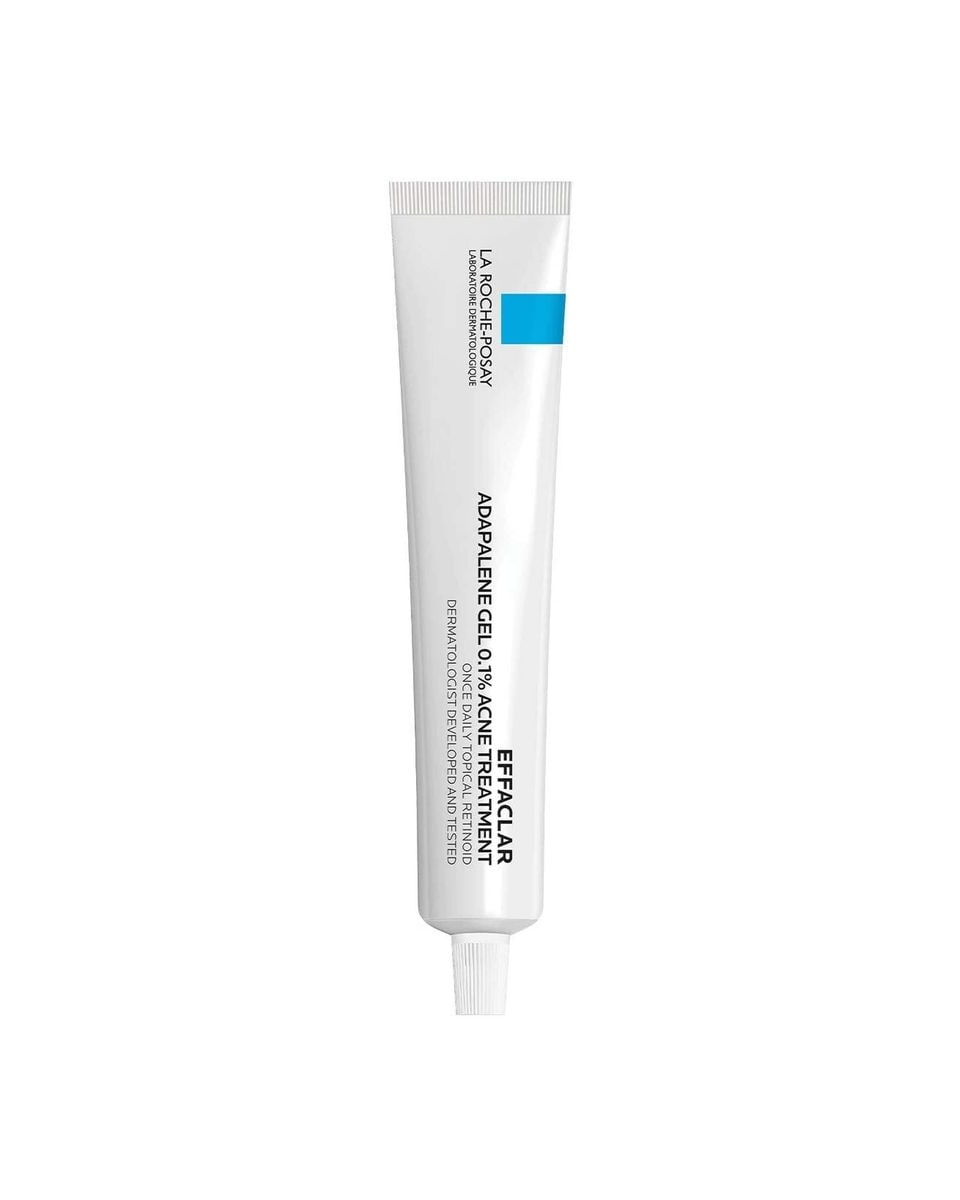 Adapalene 0.1% · frag-free · alc-free
La Roche-Posay
Effaclar Adapalene Gel 0.1%
Adapalene 0.1% · frag-free · alc-free
La Roche-Posay
Effaclar Adapalene Gel 0.1%
The first is a fragrance-free leave-on liquid with 2% salicylic acid, made for clogged, oily T-zones; start it two or three times a week, because overuse dries skin, and it is not the pick for very dry or sensitive skin. The second is adapalene 0.1% in a fragrance-free gel; it treats and prevents, but it is drying, so it needs a moisturizer on top. There are more acids on the exfoliant shelf.
Do not start both in the same week
Using the two together is effective, but stacking them too fast is how a blackhead plan turns into a stinging nose. The AAD warns that exfoliating while using a retinoid may worsen dry skin or even cause breakouts. So I would introduce them one at a time, salicylic acid first because it is the easier start, and keep them on separate nights:
| When | Night | Morning |
|---|---|---|
| Weeks 1 and 2 | Salicylic acid 2 or 3 nights; moisturizer every night | Gentle cleanser, moisturizer, sunscreen |
| Weeks 3 and 4 | Salicylic acid 2 nights; adapalene on 2 or 3 other nights | The same |
| Weeks 5 to 8 | Adapalene most nights if comfortable; salicylic acid 1 or 2 nights, never the same night | The same |
| Week 8 onward | Judge the results; keep whichever schedule your skin tolerates as upkeep | The same |
If stinging, burning or flaking builds up, drop back a step for a week. If it keeps going, how to fix a damaged skin barrier has the reset. And if pimples come along with your blackheads, the AAD also suggests a benzoyl peroxide wash; it bleaches fabric, so use white towels and pillowcases.
The base around them
The actives get the attention, but the basics decide whether you can keep using them. The NHS advice on caring for acne-prone skin is to wash twice a day with a gentle cleanser and not to scrub. Keep a light moisturizer every night, because skipping it makes adapalene much harder to tolerate, and wear sunscreen every morning, since acids and retinoids leave skin more sensitive. Check labels for “non-comedogenic” when you replace anything heavy.
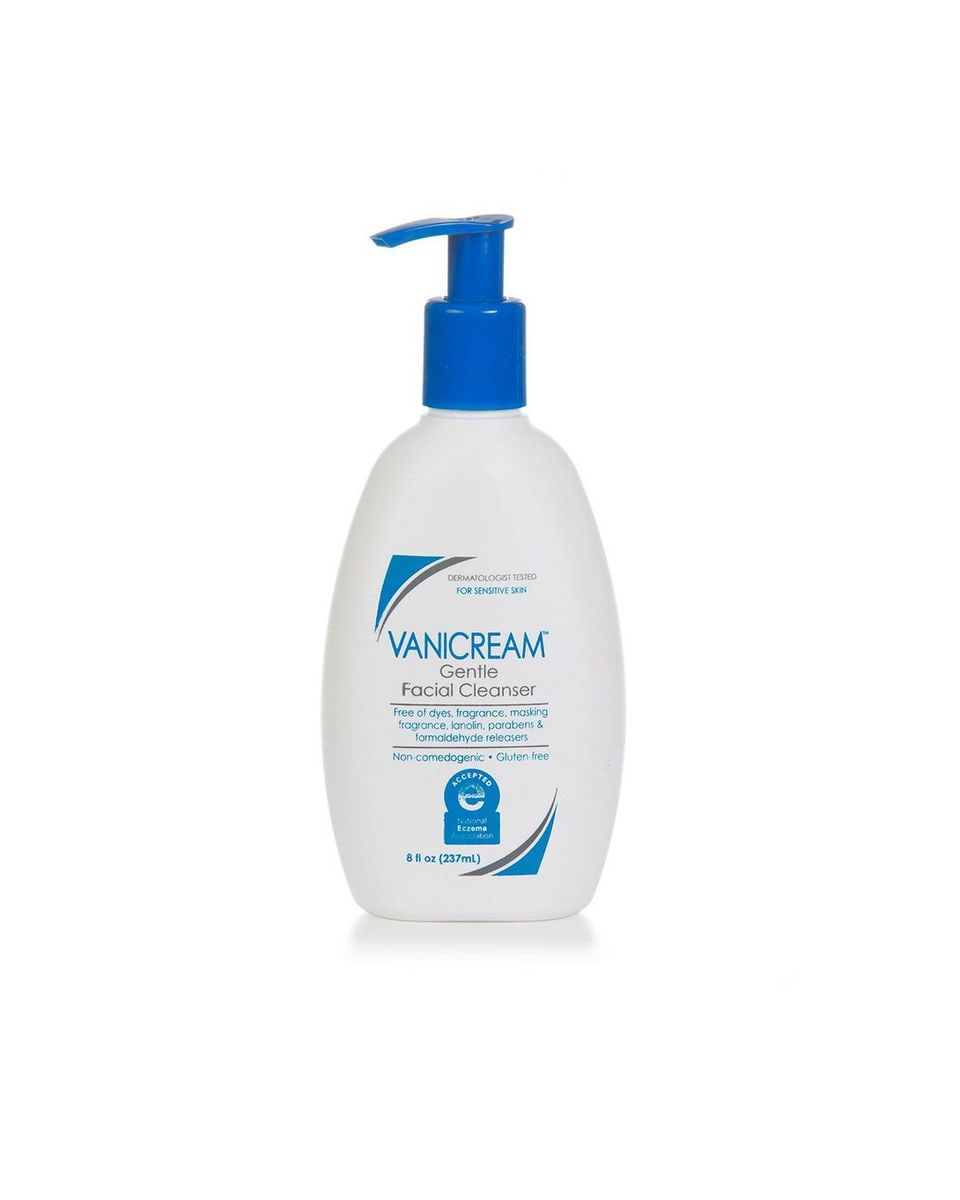 Glycerin · Coco-glucoside · frag-free · alc-free
Vanicream
Gentle Facial Cleanser
Glycerin · Coco-glucoside · frag-free · alc-free
Vanicream
Gentle Facial Cleanser
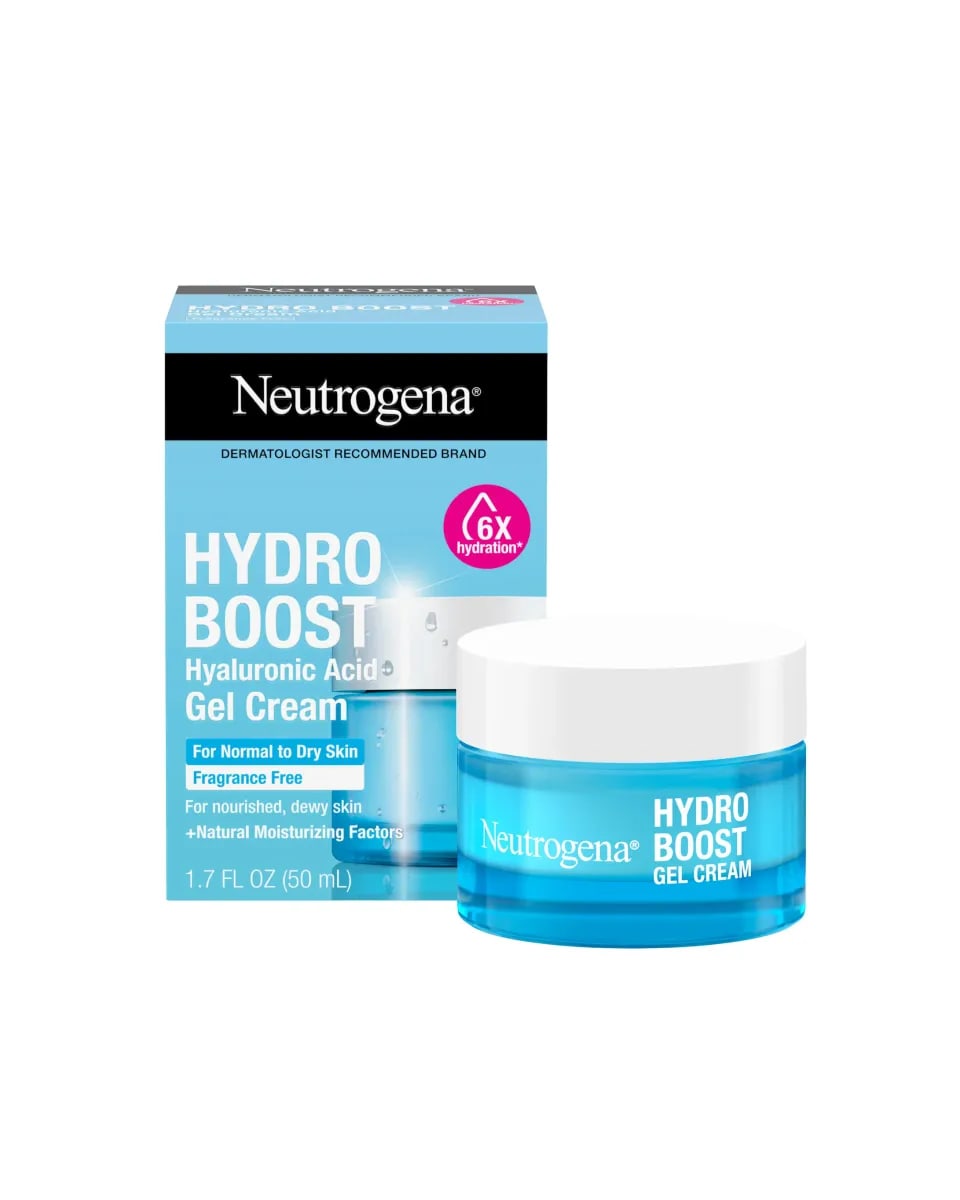 Hyaluronic acid · Glycerin · frag-free
Neutrogena
Hydro Boost Water Gel (Fragrance-Free)
Hyaluronic acid · Glycerin · frag-free
Neutrogena
Hydro Boost Water Gel (Fragrance-Free)
 Zinc oxide 9% · Octinoxate 7.5% · Niacinamide · frag-free · alc-free
EltaMD
UV Clear Broad-Spectrum SPF 46
Zinc oxide 9% · Octinoxate 7.5% · Niacinamide · frag-free · alc-free
EltaMD
UV Clear Broad-Spectrum SPF 46
The first is a gel cleanser with a very short ingredient list and no fragrance, gentle enough to use twice a day alongside actives. The second is the fragrance-free version of a water-gel moisturizer that sits lightly on oily skin, though it does contain some denatured alcohol for its finish. The third is a zinc oxide sunscreen with niacinamide, made for acne-prone skin, with a slight white cast on deep skin tones. How much sunscreen to use on your face covers the amount, and skincare routine order, morning and night covers where each step goes.
If shine bothers you as much as the dots, niacinamide is a reasonable morning extra. In a placebo-controlled study, a moisturizer with 2% niacinamide lowered the rate of oil production within a few weeks. It will not clear blackheads by itself, so treat it as support for the plan above. Niacinamide vs retinol explains how the two fit together.

At 10% it can make very sensitive skin flush, so put it on after moisturizer if that happens. For the whole routine built around oil, see the skincare routine for oily skin.
What to stop, and what is only a quick fix
- Squeezing. The NHS says not to pick or squeeze spots because it can cause scars, and Cleveland Clinic warns that fingernails can irritate or seriously damage your skin. It also leaves the dark marks that outlast the blackhead; how to fade dark spots covers those.
- Pore strips. Dr. Wei says they can help if you are getting ready for an event, but they only clear your skin temporarily. Cleveland Clinic adds that removing them can dry out your skin and let in bacteria that can cause acne. They mostly lift the tops of filaments, which refill anyway.
- Scrubs, brushes and peel-off masks. The AAD says mechanical exfoliation may be too irritating for acne-prone skin, and scrubbing the nose harder does nothing to a dark color that is not dirt.
- Steaming, then squeezing. Warm water feels pleasant and softens the surface, but the squeezing that usually follows is the part that does damage.
- Kitchen and bathroom cabinet fixes such as toothpaste, baking soda, lemon juice and glue masks. They are not made for facial skin, and irritation makes a nose look redder and the pores more obvious, not less.
Clay masks sit in between: they soak up surface oil and can make a nose look matte for a day, so they are a harmless extra before an event, not a treatment.
How long it takes, and how to keep them gone
The AAD’s guide says to give treatment for blackheads and whiteheads six to eight weeks to work. DermNet is more cautious still: it can take several weeks to months before worthwhile improvement, and treatment often needs to continue long-term. A realistic picture:
- Weeks 1 to 4: the nose may feel smoother and look less oily. Adapalene can bring dryness and, for some people, a few extra spots at first.
- Weeks 6 to 8: the point to judge. Blackheads should be fewer and smaller; filaments should be fainter.
- After that: blackheads come back when you stop, because your skin keeps making the same oil. Most people keep salicylic acid or adapalene a few nights a week as upkeep, for as long as they want the result.
For filaments, the honest goal is less visible, not gone. I would rather say that now than have you blame the routine in week six.
When to see a dermatologist
Blackheads are common and harmless, but see a dermatologist or your doctor if:
- you see no improvement after six to eight weeks of steady use; the AAD says a dermatologist can remove them with comedo extraction or prescribe a stronger treatment
- blackheads come with painful, deep pimples, or they are leaving scars
- your skin is still red, burning or peeling after you have cut back on the actives
- one dark spot looks different from the others, or grows, changes or bleeds; that is not a blackhead question
More guides like this are in the skin concerns hub.
Questions people ask
Is it bad to squeeze blackheads on your nose?
As a habit, yes. Squeezing can break the wall of the follicle, which DermNet lists as a cause of more comedones, and the NHS advises against picking or squeezing spots because it can cause scars. If a stubborn one really bothers you, a dermatologist can extract it with sterile tools.
Do pore strips actually work?
For a day or two. They lift out the tops of blackheads and filaments, so the nose looks clearer, but Cleveland Clinic’s dermatologist calls the effect temporary, and filaments refill within about a month. They can also dry the skin, so keep them for the night before an event, if at all.
Do blackheads go away on their own?
Some loosen and fall out, but new ones tend to form in the same pores while your skin keeps making the same oil and dead cells. Oil production can change with age and hormones, so some people get fewer later on, but it is not something to wait for. Regular salicylic acid or a retinoid is what breaks the cycle.
Does adapalene help blackheads on the nose?
Yes. It is a retinoid, the type of treatment the AAD says dermatologists recommend to unclog pores, and in the US it is sold without a prescription. Apply a thin layer over the whole nose rather than dotting single blackheads, and expect some dryness in the first few weeks.
How long does salicylic acid take to work on blackheads?
Give it six to eight weeks of regular use, the window the AAD suggests for blackheads and whiteheads. Your nose may feel smoother sooner, but the full effect takes longer, and it lasts only as long as you keep using it.