Mineral sunscreens protect with zinc oxide, titanium dioxide or both; chemical sunscreens use organic filters such as avobenzone, octocrylene and homosalate. Both work well when they are broad spectrum, SPF 30 or higher and applied generously, so the real differences are how they feel, whether they leave a white cast, how sensitive skin reacts and, in the US, how much safety data the regulator holds on each filter.
The short answer: neither type protects better by default. Choose mineral if your skin is sensitive, reactive or prone to stinging, or for a child over six months. Choose chemical, or a hybrid of the two, if you want a sheer finish with no white cast, especially on deeper skin tones. Then pick the texture you will happily wear every morning, because the amount you put on matters more than the type.
Mineral vs chemical sunscreen at a glance
“Mineral” and “physical” mean the same thing: a sunscreen whose only active ingredients are zinc oxide and titanium dioxide. Everything else is “chemical” (scientists say organic), and a formula that mixes the two is a hybrid.
| Mineral (physical) | Chemical (organic) | |
|---|---|---|
| Active ingredients | Zinc oxide, titanium dioxide | Avobenzone, octocrylene, homosalate, octisalate, oxybenzone; in the UK and Europe also newer filters such as bemotrizinol |
| How it protects | Mostly absorbs UV, scatters a little | Absorbs UV |
| UVA coverage | Zinc oxide covers the whole UVA range; titanium dioxide falls short at the long end | Depends on the mix; avobenzone covers UVA but needs stabilizing partners |
| Feel | Thicker, often matte | Usually thinner and easier to spread |
| White cast | Common, especially on deep skin tones, unless tinted | Rare |
| Sensitive skin | The type dermatologists recommend | Usually fine; a few filters account for most reactions |
| US status | The only two filters the FDA proposes as safe and effective | The FDA wants more data, which it says does not mean unsafe |
The UVA row comes from DermNet’s overview of sunscreen filters, which rates zinc oxide as covering both parts of the UVA range, titanium dioxide as only partly covering long-wave UVA, and avobenzone as complete but unstable on its own. That is why well-made chemical formulas pair avobenzone with stabilizing filters, and why most mineral formulas lean on zinc rather than titanium alone.
Four myths most comparisons repeat
1. “Mineral sunscreen reflects UV; chemical sunscreen absorbs it.” Nearly every comparison opens with this line, and it is mostly wrong. A 2016 study measured it directly and found that zinc oxide and titanium dioxide protect skin mainly by absorbing UV, with only around 4 to 5 percent reflected. The American Academy of Dermatology now says that chemical, physical and hybrid sunscreens all form a protective layer on the skin that absorbs the sun’s rays. The difference is the material doing the absorbing, not a mirror versus a sponge.
2. “Mineral works instantly; chemical needs 20 minutes to kick in.” The official advice does not split by type. The AAD says to apply sunscreen to dry skin 15 minutes before going outdoors, whichever kind it is, and the NHS suggests putting it on 30 minutes before you go out and again just before. With either type, the habit that matters is applying it at home rather than once you are already in the sun.
3. “Chemical sunscreen soaks into your blood, so it is unsafe.” Studies run by the FDA did find that several chemical filters are absorbed into the body when people use a lot of sunscreen. The AAD’s answer is that absorption into the bloodstream does not mean an ingredient is harmful or unsafe. The FDA has asked for more data on 12 chemical filters, including avobenzone, oxybenzone, octocrylene and homosalate, and says plainly that this is not a conclusion that they are unsafe, while urging everyone to keep using sun protection. So the honest summary is “less studied”, not “dangerous”. If those open questions bother you, mineral is a simple way to step around them.
4. “Mineral means reef safe.” “Reef safe” has no official definition in the US or the UK, so it is a marketing phrase. Hawaii restricts sales of sunscreens containing oxybenzone and octinoxate, and many mineral formulas avoid both, but the AAD calls the science on sunscreen and coral limited and inconclusive and supports an ecological risk assessment by the US Environmental Protection Agency. If it matters to you, read the active ingredients rather than the front of the bottle, and remember that shade and a long-sleeved swim top put nothing in the water at all.
Which one suits your skin
Here is how I would choose, situation by situation, based on what dermatology bodies recommend.
- Sensitive, reactive or rosacea-prone skin: mineral. The AAD says dermatologists recommend physical sunscreens for people with sensitive skin. True allergy to sunscreen filters is rarer than popular belief suggests, but among the chemical filters octocrylene is a known photoallergen, mostly in adults already sensitized to ketoprofen, an anti-inflammatory gel. If a sunscreen has ever left you itchy or red, a dermatologist can patch test to find the cause.
- Eyes that sting: many people find that some chemical sunscreens sting when sweat carries them into the eyes. A mineral formula, or a mineral stick around the eyes only, is a common fix.
- Babies and toddlers: the AAD says babies under six months are best kept out of the sun, with shade and clothing first. From six months, sunscreens with zinc oxide or titanium dioxide, or ones made for small children, may cause less irritation.
- Deeper skin tones: a chemical or hybrid formula usually goes on without a cast; mineral works too if it is tinted. Tinting has a second benefit. The AAD notes that visible light can darken skin, particularly darker skin tones, and that tinted sunscreens contain iron oxide, which helps protect against it. That matters if you are fading dark spots or living with melasma.
- Oily or acne-prone skin: the filter matters less than the base. Look for “noncomedogenic” or “won’t clog pores” and a fluid or gel texture, in either type. Zinc oxide formulas made for acne-prone skin are popular, and the skincare routine for oily skin shows where sunscreen fits.
- Dry skin: a creamy chemical formula or a moisturizing mineral one. Mineral formulas can look patchy on flaky skin, so moisturize first and let it settle.
- Swimming and sport: look for “water resistant” on the label (40 or 80 minutes in the US) and reapply after you towel off. Both types come in water-resistant versions.
US vs UK: same words, different shelves
This is the part most comparisons skip, and it explains a lot of the conflicting advice online.
In the US, sunscreen is an over-the-counter drug regulated by the FDA. Only zinc oxide and titanium dioxide are proposed as “generally recognized as safe and effective”, which is one reason US dermatologists so often steer cautious people toward mineral. The list is moving in 2026. On 10 June the FDA added bemotrizinol, the first new filter on the US list since the late 1990s, and on 10 September it removed PABA and trolamine salicylate, two old filters whose risks it found outweigh their benefits. The FDA’s sunscreen questions and answers page, linked above, tracks each change.
In the UK, sun cream is a cosmetic, and UK and European rules allow a longer list of filters, including bemotrizinol (known in the trade as Tinosorb S) and bisoctrizole (Tinosorb M), which still is not on the US list. That gives formulators more ways to reach strong UVA protection in a light texture. The UK list changes too: Great Britain’s cosmetics regulations of January 2026 banned the chemical filter 4-MBC from 15 July 2026, while shops may keep selling existing stock until 14 January 2027. I explain how those GB rule changes work in the retinol UK ban.
Labels differ as well. A US bottle says “broad spectrum” when it covers UVA as well as UVB; a UK pack shows a UVA star rating or the UVA circle logo. Both systems are explained in how much sunscreen to use on your face.
How to tell which one you are holding
Front labels are unreliable. “Mineral-based”, “with zinc” and “skin-friendly” can all appear on hybrids. Check the actives instead.
- In the US, find the Drug Facts box and read “Active ingredients”. If the only names there are zinc oxide and titanium dioxide, it is mineral. Anything else means chemical or hybrid.
- In the UK, there is no Drug Facts box, so scan the ingredient list for the filter names below. Mineral filters followed by “(nano)” are very fine particles. DermNet notes that no adverse effects from them have been shown to date, and that the benefits of sun protection outweigh any potential long-term risks.
| US label name | Name in a UK ingredient list | Type |
|---|---|---|
| Zinc oxide | Zinc Oxide | Mineral |
| Titanium dioxide | Titanium Dioxide | Mineral |
| Avobenzone | Butyl Methoxydibenzoylmethane | Chemical |
| Octocrylene | Octocrylene | Chemical |
| Homosalate | Homosalate | Chemical |
| Octisalate | Ethylhexyl Salicylate | Chemical |
| Octinoxate | Ethylhexyl Methoxycinnamate | Chemical |
| Oxybenzone | Benzophenone-3 | Chemical |
| Bemotrizinol | Bis-Ethylhexyloxyphenol Methoxyphenyl Triazine | Chemical |
| Bisoctrizole (not on the US list) | Methylene Bis-Benzotriazolyl Tetramethylbutylphenol | Chemical |
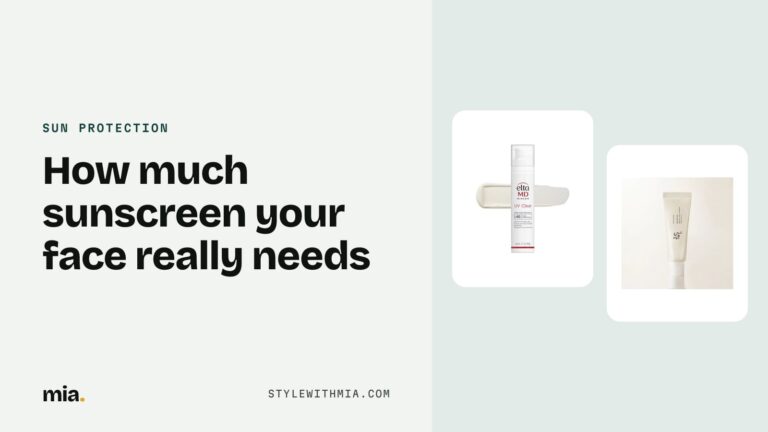
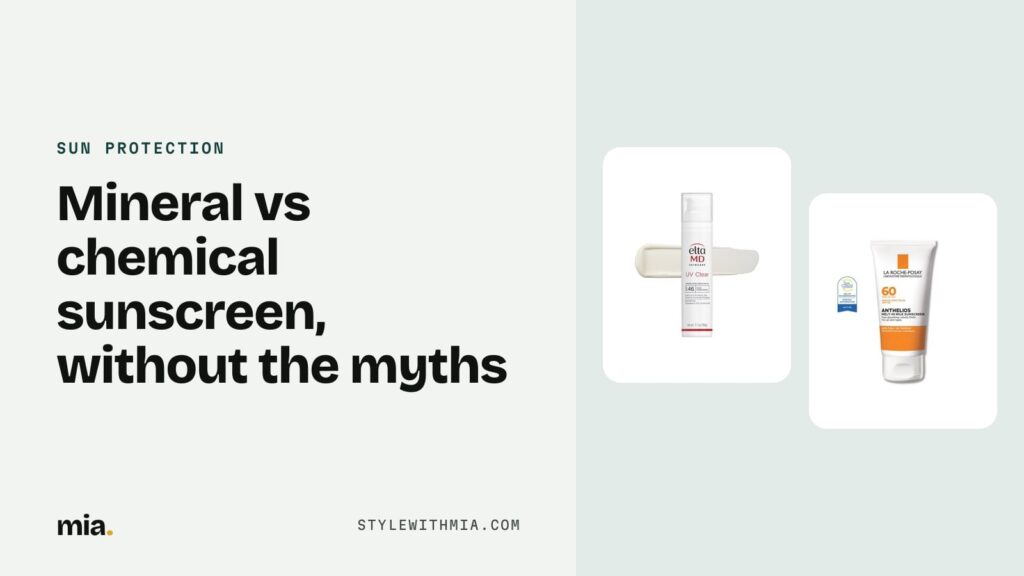
The three sunscreens in the catalog right now cover the chemical and hybrid sides. None of them is fully mineral, and I would rather say so than stretch a label.
 Zinc oxide 9% · Octinoxate 7.5% · Niacinamide · frag-free · alc-free
EltaMD
UV Clear Broad-Spectrum SPF 46
Zinc oxide 9% · Octinoxate 7.5% · Niacinamide · frag-free · alc-free
EltaMD
UV Clear Broad-Spectrum SPF 46
 Rice extract 30% · Grain-derived probiotics · frag-free · alc-free
Beauty of Joseon
Relief Sun: Rice + Probiotics SPF50+ PA++++
Rice extract 30% · Grain-derived probiotics · frag-free · alc-free
Beauty of Joseon
Relief Sun: Rice + Probiotics SPF50+ PA++++
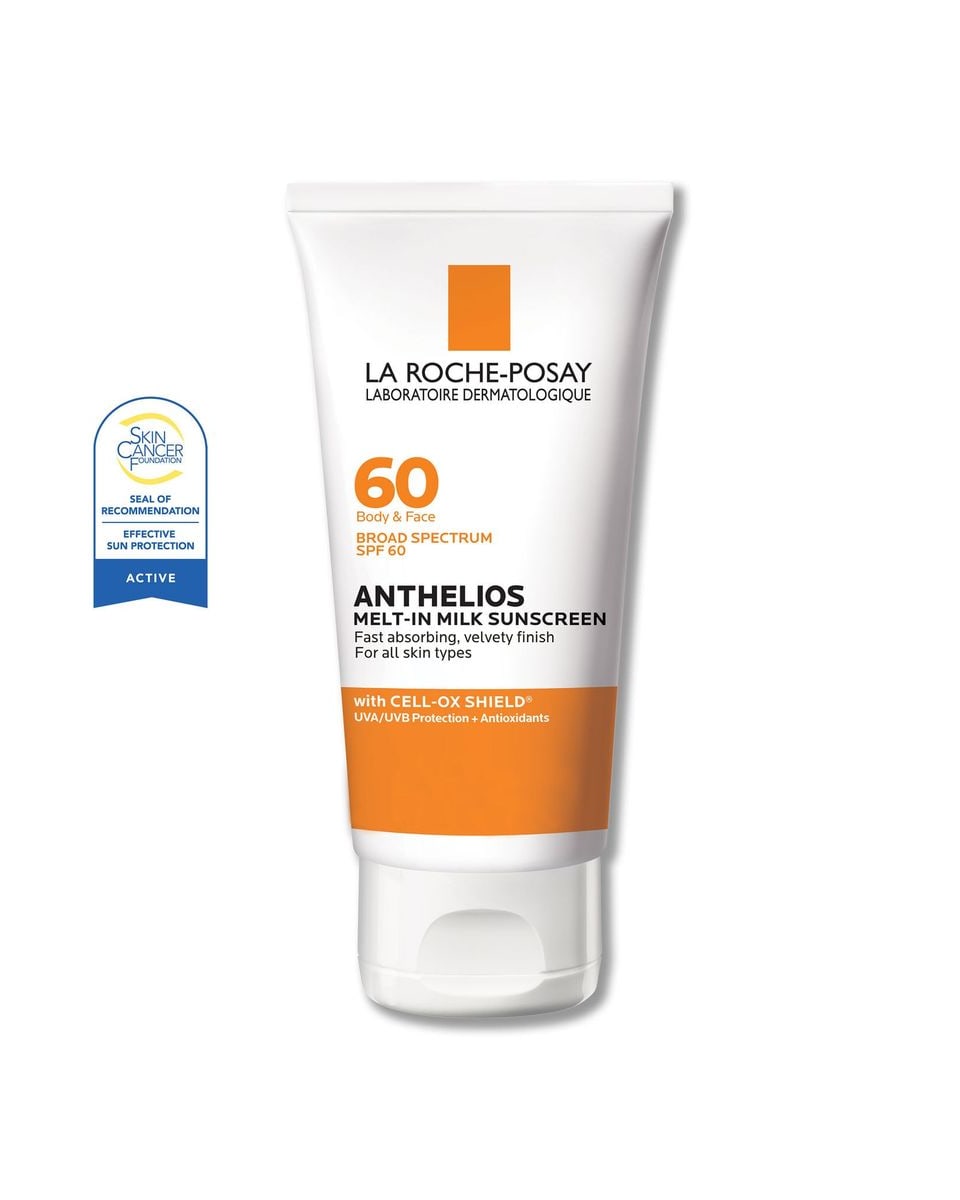 Avobenzone · Homosalate · Octisalate · frag-free · alc-free
La Roche-Posay
Anthelios Melt-In Milk Sunscreen SPF 60
Avobenzone · Homosalate · Octisalate · frag-free · alc-free
La Roche-Posay
Anthelios Melt-In Milk Sunscreen SPF 60
The first is a hybrid: 9% zinc oxide with 7.5% octinoxate and niacinamide, made for acne-prone and rosacea-prone skin, with a slight white cast on deep skin tones. The second is a light chemical formula with rice extract that leaves no white cast; its finish is dewy, so oily skin may want powder over it. The third is a chemical SPF 60 milk built on avobenzone, homosalate, octisalate and octocrylene, with 80 minutes of water resistance, better for face and body on beach days than as a daily face sunscreen for oily skin, and one to skip if you know octocrylene bothers you. Every option is on the sunscreen shelf.
Making either type work every day
Whichever you pick, the same three habits decide how much protection you actually get.
- Use enough. Two finger lengths for face and neck, the amount the SPF on the label is tested at.
- Put it on last. Sunscreen goes over moisturizer and under makeup, as set out in skincare routine order, morning and night.
- Reapply outdoors. Every two hours, and after swimming, sweating or towelling off.
With mineral formulas, warming a little between your fingers and pressing it in, rather than rubbing, helps it spread without streaks. With chemical formulas, give them a minute to settle before makeup so foundation does not pill. More guides are in the sun protection hub.
Questions people ask
Is mineral sunscreen better than chemical?
Not for protection. Both protect well when they are broad spectrum, SPF 30 or higher and applied generously. Mineral has the edge for sensitive skin and small children, and in the US it carries the most regulatory certainty; chemical usually wins on feel and on leaving no cast.
Is mineral sunscreen the same as physical sunscreen?
Yes. Both names mean a sunscreen whose only active ingredients are zinc oxide, titanium dioxide or both. “Physical” is the older term, from the idea that these filters work by reflecting UV, which research has since shown is not mainly how they work.
Can you use mineral and chemical sunscreen together?
Yes, and many products already do: those are hybrids. Layering two separate sunscreens is fine, but their SPF numbers do not add up, so it is simpler to choose one and apply the full amount.
Is mineral sunscreen better for acne?
It can be a good choice, since many zinc oxide formulas are made for acne-prone and sensitive skin, but the base matters more than the filter. A light, noncomedogenic fluid of either type is a better bet than a thick mineral cream. If you use acne treatments such as retinoids or acids, daily sunscreen matters even more.
Does mineral sunscreen work immediately?
Official advice treats both types the same: the AAD says to apply 15 minutes before going out, and the NHS says 30 minutes before and again just before. Put it on at home and you will not need to worry about which type kicks in faster.