No, retinol is not being banned in the UK. The limits behind the headlines are EU rules, and Great Britain has not adopted them, so retinol serums above the new EU strengths are still sold legally in England, Scotland and Wales. Northern Ireland is the exception, because it follows EU cosmetics law. The UK government is looking at vitamin A this year, so a rule for Great Britain could still come, but as of October 2026 nothing has been decided.
The short answer: the “retinol ban” is an EU limit, not a ban. In the EU and Northern Ireland, face and most other products are capped at 0.3% retinol equivalent and body lotion at 0.05%, and older stock has to leave the shelves by 1 May 2027. In Great Britain nothing has changed yet, and the retinol you already own is yours to keep using.
What actually changed, and where
The change comes from Commission Regulation (EU) 2024/996, adopted on 3 April 2024 and listed on the European Commission’s cosmetics legislation page. It adds three forms of vitamin A, retinol, retinyl acetate and retinyl palmitate, to the list of restricted cosmetic ingredients. Products that contain them must also carry a new warning: “Contains Vitamin A. Consider your daily intake before use.”
Here is how that plays out across the UK and the EU:
| Where | Retinol limit | When |
|---|---|---|
| Great Britain (England, Scotland, Wales) | No specific limit for vitamin A | Under assessment in 2026 |
| Northern Ireland | EU limits apply | Same dates as the EU |
| European Union | 0.3% in face and most other products, 0.05% in body lotion | New products from 1 November 2025; all stock from 1 May 2027 |
Northern Ireland is covered because, under the Windsor Framework, it keeps following the EU’s rules for cosmetics. The UK government’s guidance for Northern Ireland spells this out, and it also notes that products placed on the GB market follow the GB rules instead.
Why the EU set limits at all
This is the part most coverage skips, and it matters for how worried you should be. The limits come from a 2022 opinion by the EU’s Scientific Committee on Consumer Safety, which concluded that vitamin A in cosmetics is safe at 0.05% retinol equivalent in body lotion and 0.3% in other leave-on and rinse-off products. Its concern was not retinol on your face. It was total intake: the committee found that the 5% of people who get the most vitamin A from food and supplements may already be above the upper limit, and cosmetics add a little more on top.
That is also why body lotion has the lower cap. A body lotion covers far more skin than a face serum, so more of it is absorbed in total.
The NHS uses a similar idea of a ceiling for food and supplements. It says that an average of 1.5mg a day or less of vitamin A from diet and supplements combined is unlikely to cause any harm, while more than that over many years may affect your bones. So the EU rule is less “retinol is dangerous” and more “let’s not let cosmetics push the highest-intake group further over the line”.
What the rules cover, and what they do not
The EU entries name three forms only: retinol, retinyl acetate and retinyl palmitate. The limits are written as “retinol equivalent”, meaning they count the retinol content. Retinyl esters are heavier molecules, so a product can list a slightly higher percentage of retinyl palmitate and still sit inside the cap.
- Not named in the EU entries: retinal (retinaldehyde), hydroxypinacolone retinoate and other newer retinoids. Bakuchiol is a plant extract, not vitamin A at all.
- Not cosmetics: tretinoin and adapalene are acne medicines with their own rules. The NHS lists them among the acne treatments you put on your skin, and in the UK you get them on prescription. I compare the over-the-counter and prescription routes in retinol vs adapalene.
- The warning label: brands that make one formula for both markets may print the EU vitamin A warning on products sold in Great Britain too. It does not mean the product is new or different, just that it meets the EU rules.
Will Great Britain bring in its own limit?
Possibly. Since Brexit, Great Britain has its own copy of the cosmetics regulation, which the UK government changes on advice from its own expert panel, the Scientific Advisory Group on Chemical Safety (SAG-CS). Two official documents show vitamin A is on the agenda:
- The Office for Product Safety and Standards asked for scientific data on vitamin A in October 2024, as part of its call for data on cosmetic ingredients.
- Vitamin A is listed on the SAG-CS workplan for January to December 2026.
The panel has not published an opinion on vitamin A yet; its published opinions cover other ingredients so far. When it does, the outcome could match the EU numbers, set different ones, or leave things as they are. I would not trust anyone who tells you which, because the advice does not exist yet.
What I can tell you is how a GB change would arrive, because there is a recent example. The cosmetics regulations that banned the UV filter 4-MBC were made on 12 January 2026, took effect on 15 July 2026, and still let existing stock be sold until 14 January 2027. A vitamin A rule would go through the same steps, which means months of notice and a sell-through period.
What to do with the retinol you already own
Very little. A short checklist:
- Keep using it. These rules control what shops may sell, not what you may own or use, in the EU as well as here.
- Do not stockpile. There is no GB deadline, any future one would come with notice, and retinol breaks down with light and air once opened. A drawer of backups is more likely to go off than to be needed.
- Check where you use the strongest products. If you put a high-strength retinol on large areas of your body, that is exactly the use the EU limit targets. Face use is the lower-exposure case.
- Read your supplement labels. If you take a multivitamin or other supplement, see whether it contains vitamin A, and keep the NHS ceiling in mind.
- Pregnant, trying or breastfeeding? Speak to your GP, midwife or pharmacist before using any retinoid. The NHS already advises avoiding liver and liver products in pregnancy because they are so rich in vitamin A.
Is 0.3% retinol strong enough?
For most people starting out, yes. Beginner retinols commonly sit between 0.1% and 0.3%, so the EU cap leaves the starting range untouched. What it removes, in the EU, is the 0.5% and 1% end that experienced users step up to. Higher strengths also bring more dryness and stinging, and steady use at a strength your skin tolerates tends to beat a strong product you can only manage twice a week.
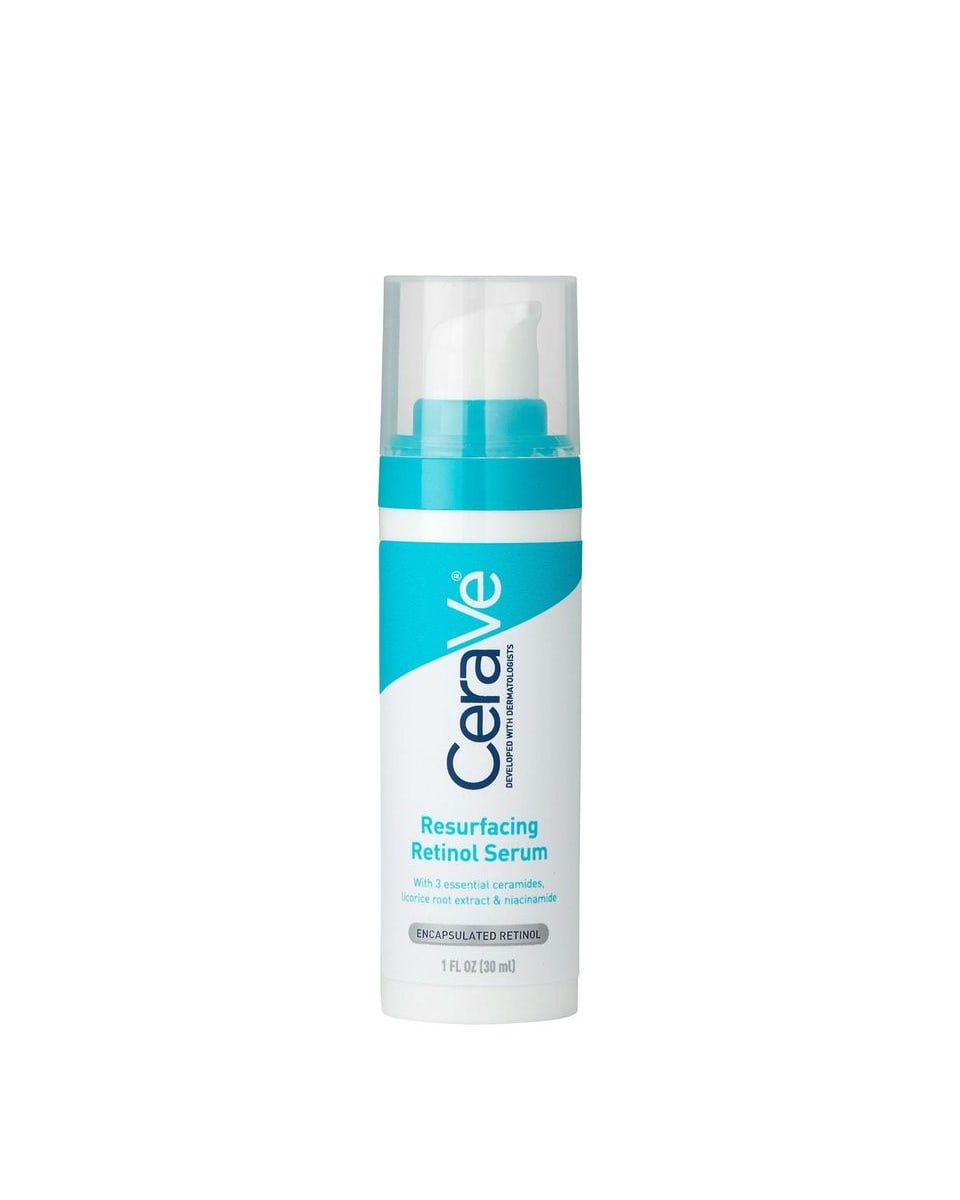
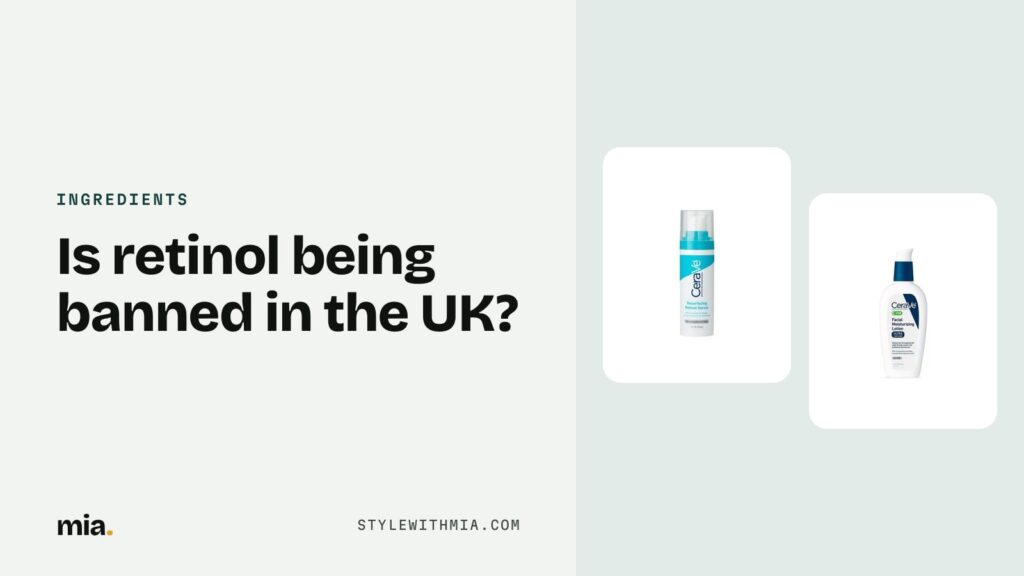
An encapsulated retinol with ceramides and niacinamide, like this one, is a gentle way in. Start on two or three nights a week, follow it with a moisturiser, and wear sun cream every morning; using enough of it matters more than the SPF number.

A plain night moisturiser with niacinamide and ceramides, applied after retinol, helps many people get through the first weeks. If you are deciding between the two ingredients rather than pairing them, I compare them by goal in niacinamide vs retinol, and there are more ingredient guides in the ingredients hub.
Questions people ask
Do you need a prescription for retinol in the UK?
No. Retinol is a cosmetic ingredient and is sold freely in serums and creams. Prescription retinoids are different: tretinoin and adapalene are medicines, and in the UK a GP or dermatologist prescribes them. Azelaic acid is split in a similar way: cosmetic serums, mostly at 10% or less, are sold freely, while the 15% gel and 20% cream need a prescription, as I explain in azelaic acid in the UK.
Can you still buy 1% retinol in the UK?
In England, Scotland and Wales, yes, for now, as long as the product meets the general safety rules every cosmetic has to meet. In Northern Ireland, products newly placed on the market since 1 November 2025 must follow the EU caps, and older stock can be sold until 1 May 2027.
Does the limit apply to retinal?
No. The EU entries name retinol, retinyl acetate and retinyl palmitate only, so retinal (retinaldehyde) is not covered by these caps. It is still a vitamin A derivative, so the same slow start, sun cream and pregnancy advice apply.
Why is body lotion limited more than face products?
Because of the area it covers. A body lotion spread over arms, legs and torso delivers far more vitamin A in total than a few drops of serum on the face, and total intake is what the EU scientists were worried about.